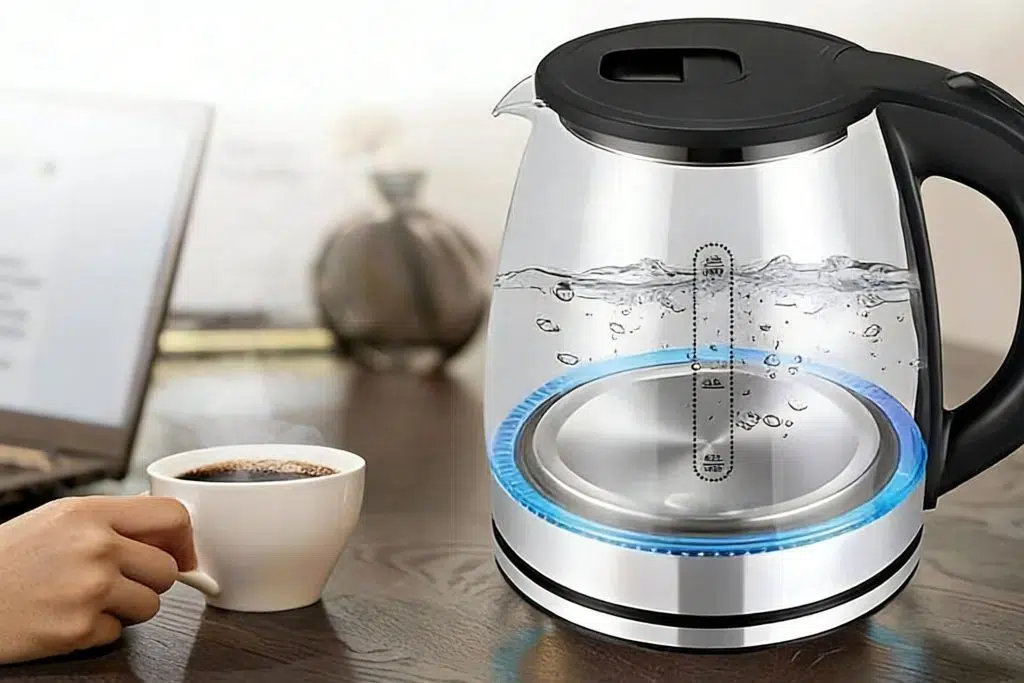
A usb kettle relies on weak power outputs instead. Even high-output USB-C ports greatly slow down heating speeds. Because of this, a portable electric kettle using standard wall power boils water much faster. People looking for a travel kettle or a portable electric kettle get small amounts of water and long wait times.
Key Takeaways
- USB kettles take a long time to warm up water because USB ports provide very little electrical power.
- Tiny USB water warmers use up phone battery packs fast and do not have good safety controls.
- People who travel get much better results when they choose a safe, standard electric kettle made for regular wall plugs.
Limited Power and Performance of a USB Kettle
Low Wattage and Extreme Boiling Delays
Normal wall plugs supply a regular electric kettle with 1200W to 1500W of power. Modern high-output USB-C ports cap energy at only 100W. This big power limit creates a huge problem for travelers who want hot drinks fast. A standard stovetop kettle moves heat quickly on a hot burner. Meanwhile, low-wattage USB ports struggle constantly to make liquids hot.
This very low power causes long heating delays during everyday use. Warming small amounts of water takes from 30 to 60 minutes. The weak heating process rarely reaches a full 100°C rolling boil. Users waste lots of time waiting for warm water in offices or hotel rooms. A regular electric kettle plugged into normal wall outlets stops these long delays completely.
The USB Power Misconception Trap
Many buyers fall for a common sales trick when shopping for portable gear online. Companies often advertise a small heating cup as a usb kettle, but the cord only runs digital screens or temperature controls. A tiny internal battery runs basic screen features instead of heating the drink inside the flask.
Boiling water needs a lot of continuous energy from strong power sources. People expecting a simple USB plug to boil water get very poor results. A weak usb kettle setup cannot match standard heating devices. Travelers get much better results from a real portable electric kettle made for normal wall plugs. One trusted portable electric kettle uses power wisely while another small portable electric kettle boils water fast.
Design Limitations of a USB Kettle

Restricted Capacity and Spout Deficiencies
Tiny personal heaters have huge design trade-offs. Companies build these tiny bottles to fit inside small spots like bags or desk drawers. This slim shape limits how much liquid fits inside. People can only heat one small mug of water per turn.
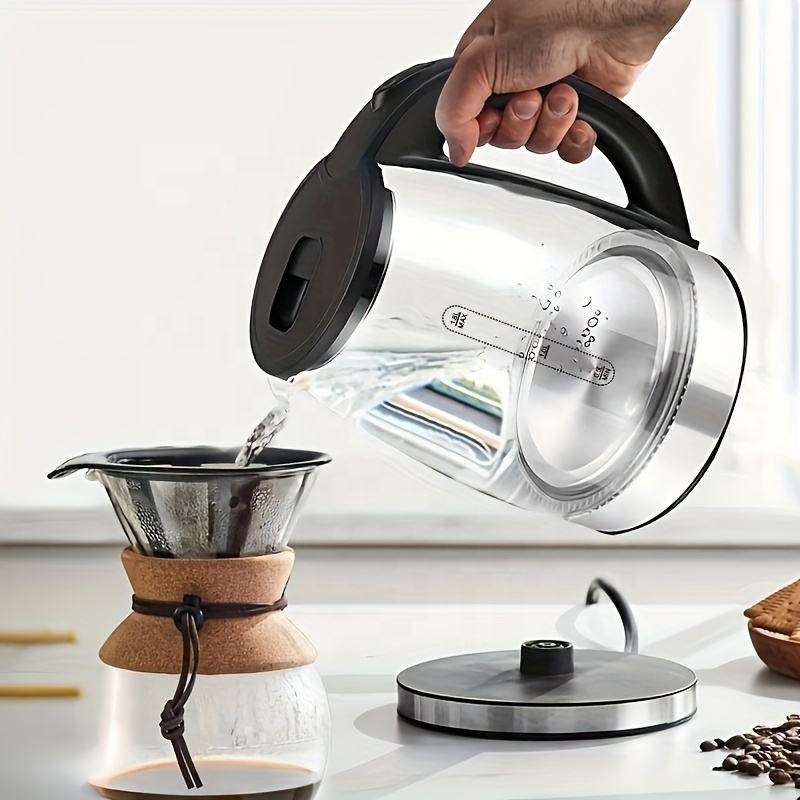
The basic shape of a usb kettle makes real dangers during regular use. Most weak containers use body designs without any spouts. Owners must pour hot liquids directly over wide edges. This setup leads to risky hot water spills. A real portable electric kettle stops these issues by using custom spouts and tight pouring caps.
Material Quality and Overheating Risks
Chosen parts heavily shape daily safety and water flavor. Inexpensive heating tools rely on low-quality plastic frames.
Shoppers must pick stainless steel or glass items to protect taste and safety. Skip cheap plastic units. Low-price builds carry clear material problems:
- Plastic taste
- Durability issues
Inexpensive tools bring major safety hazards. Connecting hot elements to weak ports can melt circuits. Budget models usually miss simple boil-dry safety features. Lacking proper thermal shut-offs, weak heating parts overheat connected power bases. Official safety stamps like CE, FCC, RoHS, and UL show safe builds. A certified portable electric kettle passes hard outside lab checks. A strong portable electric kettle guards plugged gear and delivers trustworthy warm water.
USB Kettle Drawbacks and Alternatives
Excessive Drain on Portable Batteries
Pulling constant power to heat up drinks creates big problems for external power banks. Making water hot requires a massive amount of energy. Connecting a weak heating element into a power supply quickly drains all saved energy. A small battery pack shuts down before making your water warm. People lose vital phone charge without ever getting hot water.
This fast power loss shows one more huge flaw of tiny USB units. Portable power packs struggle under heavy heating tasks. The quick power draw ruins inner battery cells much faster over time. Normal wall outlets offer steady energy without harming personal devices. Travelers waste useful battery life whenever they use USB cords to boil drinks.
Superior Travel Heating Solutions
Specialized electric units offer much better results when heating water on trips. A real portable electric kettle uses standard wall plugs to deliver efficient performance. The following features make compact travel designs superior to USB options:
- Low wattage (300W): Heats water safely without tripping hotel or RV breakers.
- Fast heating: Reaches desired temperatures quickly in 2–10 minutes.
- Compact size: Features a 450ml capacity while weighing only 1.72 lbs.
- Insulated design: Uses a double-layer body to retain internal heat.
- Multiple safety systems: Integrates auto shut-off, overheat protection, and boil-dry protection.
Unlike a traditional stovetop kettle, a dedicated portable electric kettle offers precise temperature choices. A classic stovetop kettle requires a stove burner, whereas a plug-in travel kettle works anywhere with an outlet. Buying a certified portable electric kettle guarantees fast heating and safe operation. People enjoy hot drinks without losing battery power or waiting hours for warm water.
A usb kettle heats slowly, holds very little liquid, strains your gear, and has poor design features. Weak power makes these tools useless for daily needs. Wise shoppers pick a travel kettle for their trips. A certified electric kettle uses regular wall outlets safely, while an electric kettle warms water quickly. Picking a portable electric kettle ensures safety, and a portable electric kettle saves battery life.
FAQ
Can a USB cable safely boil water?
USB-C ports limit electric power to 100W. This low power level stretches heating times up to an hour. Regular wall outlets heat drinks far more quickly.
Why should travelers avoid using a USB kettle?
USB devices empty external battery packs fast. They miss convenient pouring spouts and force long waits unlike a trustworthy portable electric kettle.
How does a USB water heater compare to traditional cookware?
A classic stovetop kettle gets direct heat from cooktop burners. Small USB gadgets depend on tiny electric energy, leading to sluggish warming and unending performance lags.