

Stainless steel is a common material for electric kettles because it resists rust, holds heat, and leaves no aftertaste in the water. Those traits speak to the questions buyers raise most often about safety, durability, taste, heat retention, and easy cleaning, and it answers most of them well.Many households choose stainless for a safe material close to boiling water, while others prefer the sturdy build and simple wipe-down care.
AOKAI‘s electric kettles take this further, pairing a stainless steel body with a clean-lined build that suits daily boiling and easy care. This post explains what stainless steel offers in a kettle, covering safety, durability, taste, heat retention, and cleaning, so readers finish with a clear picture of how the material behaves and what to check before buying.
Key Takeaways
- Stainless steel kettles resist cracks, dents, and warping, so they last for years.
- Food-grade stainless steel (18/8 or 18/10) keeps water safe and free of plastic contact.
- Stainless steel adds no flavor to tea or coffee, so drinks taste natural.
- Stainless kettles can get hot on the outside, so use mitts or pot holders.
- Choose a kettle with a fully metal interior and check the spout and lid seal.
Why stainless steel kettles last

The metal itself is where durability begins. Stainless steel won’t crack even when you use it every day. It takes hits, sudden temperature changes, and years of boiling water without losing its shape. All-Clad says a stovetop tea kettle made with high-quality stainless steel gives you long-lasting performance and durability. The same source says that premium stainless steel construction and a bonded base fight off wear and warping, so the kettle lasts much longer than standard models. That easy fact explains why so many kitchens depend on it. It matters for anyone who wants one kettle they can trust instead of buying a new one every few years.
A build that resists cracks and warping
Chefman says solid stainless steel construction is tougher than glass and handles busy, everyday use. These materials keep working and looking good for years. A strong, opaque stainless body also resists dings, which helps the kettle stay presentable through constant use. All-Clad adds that heavy-gauge single-ply stainless gives you fast and even heat distribution. A bonded base adds warp resistance on top of that. These traits make stainless steel a safe bet for households that boil water several times a day. The stainless exterior keeps its shape through repeated rounds of heating and cooling. That reliability supports safe daily use in a busy kitchen.
Bonded bases and strong joints
Materials and how the kettle is put together both matter. Good stainless steel construction uses strong joints and hinges. They keep a lid, spout, and handle attached through thousands of openings and closings. An ergonomic handle makes pouring comfortable and safe, even when the kettle is full. A wide-mouth lid makes filling and cleaning simpler, and it lets a person reach inside without strain. Tight seams and a firmly fixed base cut down on wobble on the counter. Buyers should look for 18/8 or 18/10 food-grade stainless, a common standard for kitchenware. These grades signal a safe, durable choice for daily contact with hot water. A kettle made of stainless steel also resists dents. A model made from stainless steel with these features offers safe handling and easy care. Careful shoppers can compare kettles on these points and pick one that fits a busy routine.
Are stainless steel kettles safe?
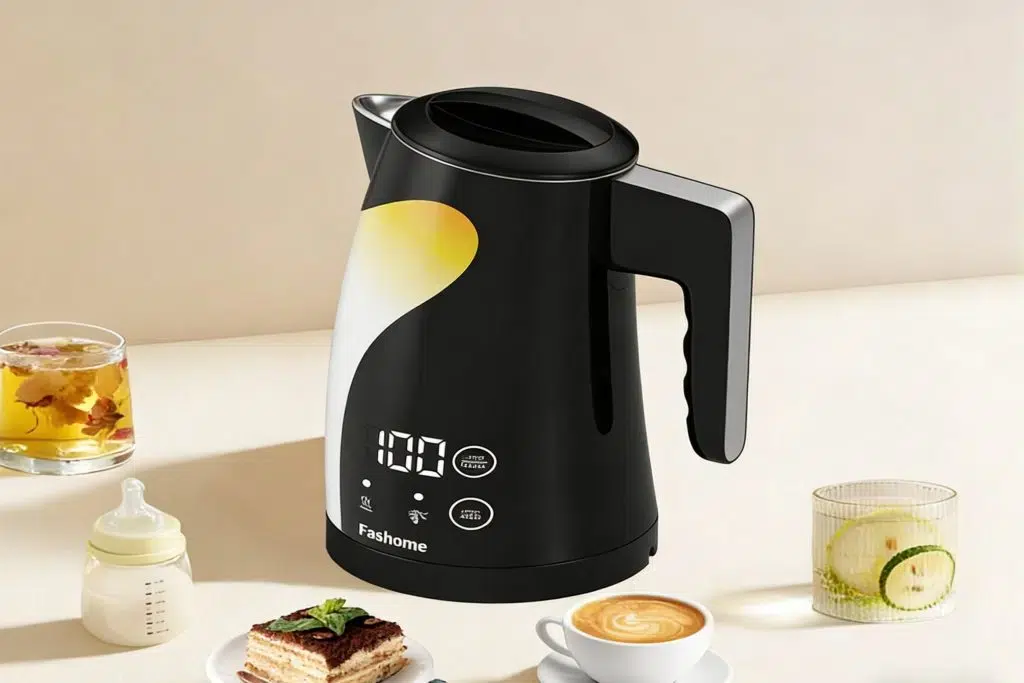
Safety starts with what touches the water. A well-made stainless steel kettle keeps hot water against metal only. The inside of a good kettle does not change how the water tastes. The grade of steel matters here. Shoppers should look for 18/8 or 18/10 steel. These are two food-safe grades that resist rust and corrosion. Green Choice Lifestyle notes that the “18” means the chromium percentage. The “8” or “10” means the nickel percentage. Those numbers show a metal built for constant contact with heat and moisture.
No plastic contact, no flavor change
Flavor is the first thing people notice. The Roundup reports that glass, stainless steel, and ceramic do not add foreign flavors. So tea and coffee keep their natural taste. A stainless interior follows that rule. Some tea drinkers on Teachat describe taste shifts from very fast, violently boiling units. Others report full satisfaction with an all-stainless interior. Build quality and a fully metal interior matter more than the material name alone. A buyer who wants plastic-free tea kettles should check the spout, filter, and lid seal too. Low Toxin Rabbit warns that a plastic filter or lid lining can still touch steam or water. Those parts deserve a look before purchase, and a fully metal interior is the safe choice.
A choice for non-toxic tea kettles
Shoppers who search for non-toxic tea kettles usually worry about heavy metals and microplastics. Stainless earns attention as one of the safe tea kettles for that reason. The same holds for buyers comparing non toxic tea kettles across brands. Many people choose non-toxic tea kettles because they want safe materials near boiling water. Stainless steel fits that brief when the grade is right. Reputable 304 or 18/8 steel does not leach metals under normal use, according to Low Toxin Rabbit. Lower grades or corroded surfaces raise fair questions. A Berg et al. study from 2000 found that 10 of 26 kettles sold in Denmark released more than 50 micrograms per liter of nickel into water. That figure served as the threshold of action for nickel-sensitive consumers. The same study found descaling made toxic metal extraction over 5x worse. Practical checks help:
- Confirm a fully stainless interior with no plastic lining.
- Check the spout for thick solder seams.
- Replace any kettle that shows rust or pitting inside.
- Follow the maker’s descaling guidance.
Price is not a reliable guide. Cheap non-toxic tea kettles can still use good steel, and costly non toxic tea kettles can hide a plastic filter. A careful reader checks the interior of non-toxic tea kettles rather than the box. That reader also checks non toxic tea kettles for a metal spout. Reviews of non-toxic tea kettles help, and forums about non toxic tea kettles help too. Owners of non-toxic tea kettles report years of clean service. Owners of non toxic tea kettles report the same, and buyers of non toxic tea kettles ask about the spout first. One more point covers materials: the lid seal and handle are materials worth inspecting. Stainless kettles stay dependable for heating water over years of daily use, and they boil water without drama.
Drawbacks of stainless steel kettles
No material works perfectly in every kitchen, and stainless steel kettles have a few real downsides. Zhenneng notes that these models usually weigh more than plastic or glass ones. A full kettle is harder to lift and pour with one hand. If you fill it all the way, expect to put in a little more effort at the counter. A smaller model fixes this for most households. Using two hands to pour also keeps your wrist steady. These small habits keep daily use comfortable and safe.
Weight and handle heat
Heat transfer is the second thing to know. Zhenneng reports that stainless steel kettles can pass heat to the outside while boiling, so the body gets hot to the touch. Handles may also warm up on some designs. You should be careful with the outside, especially with children or pets nearby. Oven mitts or pot holders give simple protection. A handle that stays cool and a well-insulated lid lower the risk even more. Shoppers can test this in a store before buying. Safe handling starts with good habits, and a short pause before pouring helps too.
Water spots and visibility
Stainless shows water spots and fingerprints more than dark finishes do. A quick wipe with a soft cloth after each use keeps the surface clean. A mild vinegar solution removes mineral marks without harsh scrubbing. Visibility is the other limit. Zhenneng explains that stainless steel is not see-through, so you cannot watch the water level while it boils. Most models have outside level indicators to cover this gap. Filling the kettle to a marked line before heating works well. A glass window or a clear sight line helps anyone who likes to watch the boil. Neither drawback affects safety or taste. Both have easy fixes, and neither should stop a buyer who values durability.
Stainless steel vs. other kettles
Every material works best in a different kitchen. If you care about safety, durability, and taste, stainless steel electric kettles compete well with every other option. The table below compares the four common choices side by side.
| Material | Safety notes | Durability | Taste | Cleaning |
|---|---|---|---|---|
| Stainless | Food-grade 18/8 or 18/10 steel resists rust and corrosion | Resists cracks, dents, and warping | Adds no foreign flavor | Wipe-down care; shows spots |
| Glass | Borosilicate body is inert and easy to inspect | Can chip or crack on impact | Neutral | Visible residue is easy to spot |
| Plastic | Light and cool to the touch | Can scratch over time | Neutral when the interior is clean | Simple hand wash |
| Ceramic | Glazed interior is inert | Heavy; chips at the rim | Neutral | Needs gentle handling |
Glass, plastic, and ceramic compared
A borosilicate glass tea kettle wins on visibility. You can watch the water level and the boil without lifting a lid. Glass also lets a buyer check the inside at a glance. Plastic kettles are still the lightest option, and they cost the least at checkout. Ceramic brings style to the counter and holds heat well after the switch flips off.
Stainless sits in the middle on weight and leads on toughness. A stainless steel stovetop tea kettle takes knocks that would chip glass or crack a ceramic rim. The metal also hides scratches better than a clear body does. Taste stays neutral across all four materials, so flavor rarely decides the purchase. Safety does. A fully metal interior keeps boiling water away from plastic parts, and that point drives many buyers toward stainless. A shopper who wants a see-through body should pick glass without hesitation. A shopper who wants the lightest lift should pick plastic. Each material fits a real need, and none of them is a poor choice.
Cost and value over time
Upfront price favors plastic, and glass usually lands in the middle. A high-quality stainless steel model often costs more at the register. The gap narrows over the years. Stainless steel construction resists warping and cracking, so the unit rarely needs replacing. Glass may chip after a hard knock, and plastic can scratch and cloud with age. Replacement costs add up, and they erase the early savings.
Value also depends on how the maker builds and checks the unit. Buyers should compare interiors, not just price tags. A kettle that lasts a decade costs less per year than one replaced twice. Match the material to daily habits, then check the build. Stainless steel construction rewards that patience, and heating water becomes one less thing to worry about.
Stainless steel remains a solid, safe, and durable pick for most households. The metal adds no flavor, resists cracks, and wipes clean in seconds. Readers who want lasting value should choose stainless. Glass suits anyone who prefers to watch the water boil. Plastic offers a lighter lift and a lower price. Ceramic brings style to the counter. Each option keeps a kitchen running well. A buyer should match the kettle to daily habits and budget. That simple step makes every morning pour a little easier, and the right kettles earn their counter space for years.
FAQ
Is a stainless steel kettle safe for daily use?
Yes. Food-grade 18/8 or 18/10 steel resists rust and corrosion. A fully metal interior keeps boiling water away from plastic parts. Users should check the spout and lid seal too. Replace any kettle that shows rust or pitting inside. These habits keep daily use safe.
Do stainless kettles change the taste of tea or coffee?
No. The metal adds no foreign flavor, so drinks keep their natural taste. A fully stainless interior matters most. Buyers should confirm the filter and lid lining are metal as well. Clean the kettle regularly, and the flavor stays neutral for years.
How does a stainless kettle compare with glass for safety?
Both options are safe when built well. Glass lets users watch the water level and inspect the inside at a glance. Stainless resists chips and cracks from impact. A shopper who wants visibility picks glass. A shopper who wants toughness picks stainless.
Can users boil water in a stainless kettle on any stovetop?
It depends on the base. A bonded base spreads heat evenly and resists warping. Buyers should check the maker’s guidance for gas, electric, or induction use. Flat-bottom models suit most ranges. A quick check before purchase avoids surprises.
How should users clean and descale these kettles?
A soft cloth and mild soap handle daily spots. A vinegar solution removes mineral marks without harsh scrubbing. Users should follow the maker’s descaling guidance and avoid abrasive pads. Gentle care keeps the interior smooth and the surface presentable.


