

USB-powered kettles are available on the market, but they can only heat water rather than bring it to a boil. A standard USB 2.0 port delivers only 4.5 watts of power, whereas boiling water requires over 1,000 watts. Although ports supporting the USB Power Delivery (USB PD) standard can provide up to 100 watts, this is still insufficient for rapid boiling. These kettles are primarily designed for travelers and office workers to prepare hot beverages. Understanding these limitations helps consumers determine whether a USB-powered kettle meets their needs.
Key Takeaways
- USB-powered kettles can heat water, but they can’t boil it because USB ports don’t supply enough power.
- These kettles are great for travelers and office workers who want warm drinks while moving around, not for boiling water fast.
- Make sure you have a 45-watt USB-PD charger and safety certifications before buying a USB-powered kettle.
How a USB-Powered Kettle Works
Power Limitations of USB Ports
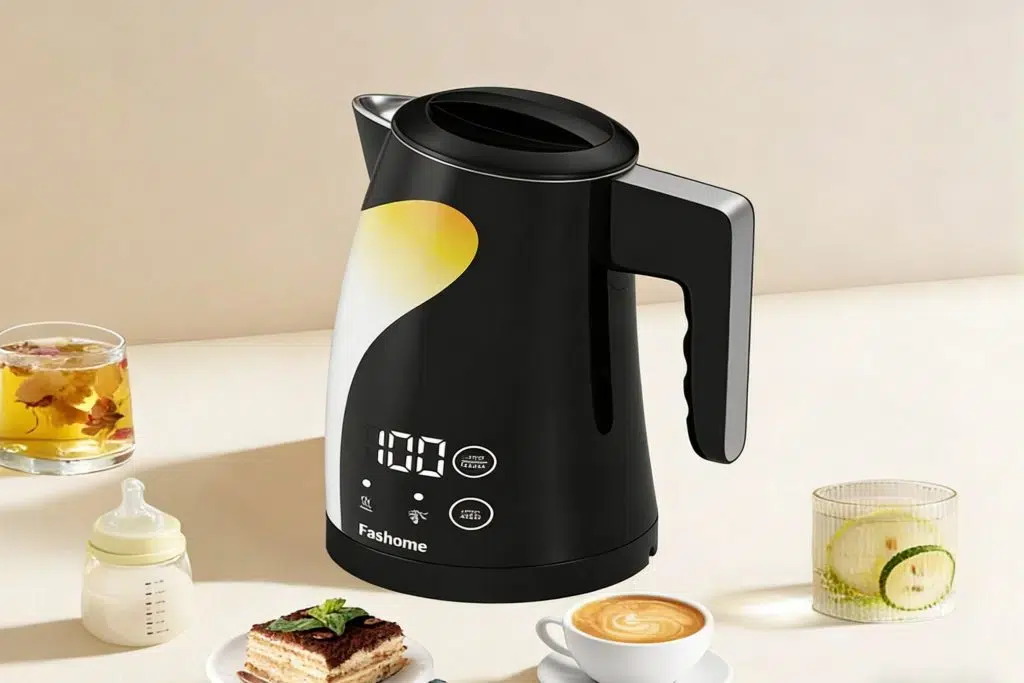
USB-powered kettles draw electricity from standard USB ports. These ports supply 5 volts; for instance, a USB 2.0 port delivers 0.9 amperes, resulting in a total power output of only 4.5 watts. Although USB Power Delivery (USB PD) technology can provide up to 100 watts, even that is insufficient to bring water to a boil. Actual power output depends on the specific port type and the charger being used.
Boiling water requires over 1,000 watts of power—far exceeding the capabilities of standard USB ports. This power gap explains why such devices cannot boil water; they can only heat it to a temperature suitable for drinking. These power constraints strictly limit the functionality of such kettles, a fact users should be aware of before purchasing.
Many users connect these kettles to laptop ports or power banks. Due to the low power output, the water temperature rises slowly. Frequent travelers and office workers are often willing to accept this slower heating speed in exchange for the convenience of a portable device. While these kettles cannot replace traditional household kettles, they offer a way for busy people on the go to enjoy hot water whenever they need it.
Heating Speed and Water Volume
Heating speed is directly determined by the available power. With a USB 2.0 port providing 4.5 watts, it takes 10 to 30 minutes to heat a small cup of water. While the water does not reach boiling point, it becomes hot enough to prepare instant coffee, tea, or oatmeal. This wait time may seem long compared to standard kettles, so users should plan accordingly.
Water volume also affects heating time; the less water there is, the faster it heats up. Most of these kettles have a capacity of just one cup or less—a design choice made specifically to accommodate USB power limitations. Excessive water volume would result in prolonged heating times and increased heat loss during the process; consequently, manufacturers typically design these kettles with small capacities, usually ranging from 8 to 12 ounces (approximately 230 to 350 milliliters). Some devices offer two power modes: users can heat water using USB power or switch to an AC power adapter for higher wattage—sufficient to actually bring water to a boil. Travelers can utilize USB mode in vehicles or at airports, campers can connect the device to a portable power station, and office workers can keep the kettle at their desks to enjoy hot drinks throughout the day. This dual-power design offers flexibility, allowing users to select the most suitable power source for their specific situation.
Battery-powered electric kettles represent another option. Users can charge the internal battery via USB, storing enough energy to boil water later. This approach bypasses the power limitations of standard USB ports; users simply wait for the battery to charge rather than waiting for the water to heat up during use. These kettles are ideal for camping or long-distance travel, with the number of cups they can heat depending on the battery’s capacity.
While these devices are designed to meet specific needs rather than replace standard electric kettles, they provide a way to obtain hot water in locations without wall outlets. It is important to understand their limitations before purchasing. Compact and easy to pack in a travel bag or place on a small desk, they offer convenience for those who need hot water on the go. However, if rapid boiling is the priority, a standard electric kettle is the better choice.
Practicality of a USB-Powered Kettle
USB vs. Standard Electric Kettles
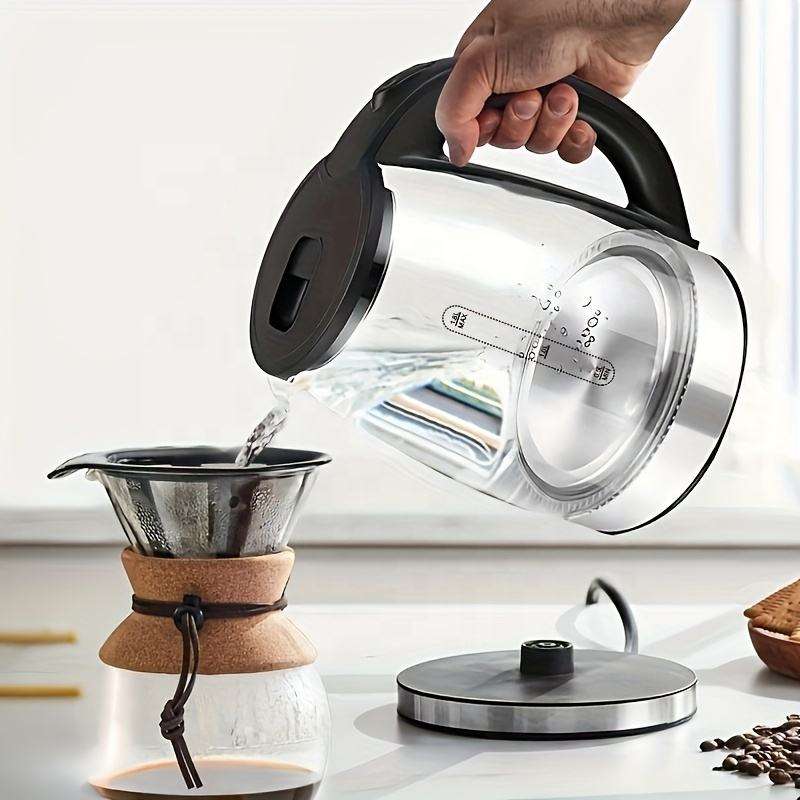
A standard electric kettle pulls 1000 to 1500 watts from a wall outlet. It boils two cups of water in about three minutes. A USB-powered kettle pulls only 4.5 to 100 watts. It warms the same amount of water in eight to thirty minutes. This speed difference changes how people use each device.
| Aspect | USB-Powered Kettle | Standard Electric Kettle |
|---|---|---|
| Power Source | USB port, power bank, or battery | Wall outlet |
| Boiling Time | 8–30 minutes (warm only) | 3 minutes (boiling) |
| Capacity | 8–12 ounces (one cup) | 1–2 liters (multiple cups) |
| Portability | Fits in a backpack or desk drawer | Heavy, needs counter space |
| Best Use | Travel, camping, office desk | Home kitchen, large groups |
The convenience factor tells a different story. A USB-powered kettle works anywhere with a power bank or laptop. Travelers use them in hotel rooms with limited outlets. Campers connect them to portable solar panels. Office workers keep one at their desk for warm tea. Standard kettles stay in the kitchen because they need a wall outlet.
The volume limit matters for daily use. A USB-powered kettle holds one cup at most. This size suits a single person making instant coffee or baby formula. Families or groups need a standard kettle for multiple cups. The small capacity also means faster heating, which partially offsets the low power.
When to Buy or Skip
Buyers should consider three factors before purchasing: battery capacity, dual power options, and build quality. A battery-powered model stores energy from a USB port. The battery size determines how many cups it can warm per charge. Dual-power models accept both USB and AC adapters. Users can warm water on USB power or boil it with the AC adapter. Build quality matters because these devices handle hot water and electricity together.
Certifications provide safety assurance. Look for FCC, CE, RoHS, or UL marks on the product label. These certifications confirm the device meets electrical safety standards. A certified USB-powered kettle reduces the risk of overheating or short circuits. Users should also check for dry-boiling protection. This feature shuts off the device when no water is inside. Without it, the kettle can break or become a fire hazard.
The practical use cases are clear:
- Travel: Hotel rooms, airports, and planes with power banks
- Outdoors: Camping trips, RV travel, and hiking with solar panels
- Daily life: Dorms, offices, baby formula preparation, and emergency kits
The limitations are equally clear. These devices warm water slowly compared to standard kettles. They hold only one cup, so they do not serve groups. They require a 45-watt or higher USB-PD charger; basic phone chargers will not work. They lack dry-boiling protection on many models, so users must add water first.
A USB-powered kettle makes sense for travelers and office workers who need warm water quickly. It makes no sense for home users who want rapid boiling. Buyers who expect standard kettle performance will feel disappointed. Those who accept the warming-only function will find it useful.
For businesses looking to source these devices, AOKAI offers OEM/ODM services for kitchen appliances. The company provides certified products with FCC, CE, RoHS, and UL compliance. AOKAI handles logo printing, color matching, and packaging design. Their quality control inspections ensure reliable performance for global markets.
A USB-powered kettle serves a specific purpose. It warms water for travel or office use, but it cannot boil quickly. Users find it safe with proper handling, though waiting times stretch longer than standard kettles. Buyers should choose one for portability. Those needing rapid boiling should select a traditional electric kettle instead. Readers can share their experiences below.
FAQ
Can a USB-powered kettle boil water?
No. USB ports give only 4.5 to 100 watts. Boiling needs over 1000 watts. These kettles warm water for drinking but never get it to a full boil.
What charger does a USB-powered kettle need?
Most models need a 45-watt or higher USB-PD charger. Basic phone chargers give too little power. Users should check the product label for the right wattage before buying.
How long does a USB-powered kettle take to warm water?
Heating takes 10 to 30 minutes for one small cup. The time depends on the power source and how cold the water starts. Smaller amounts warm up faster than larger ones.


