
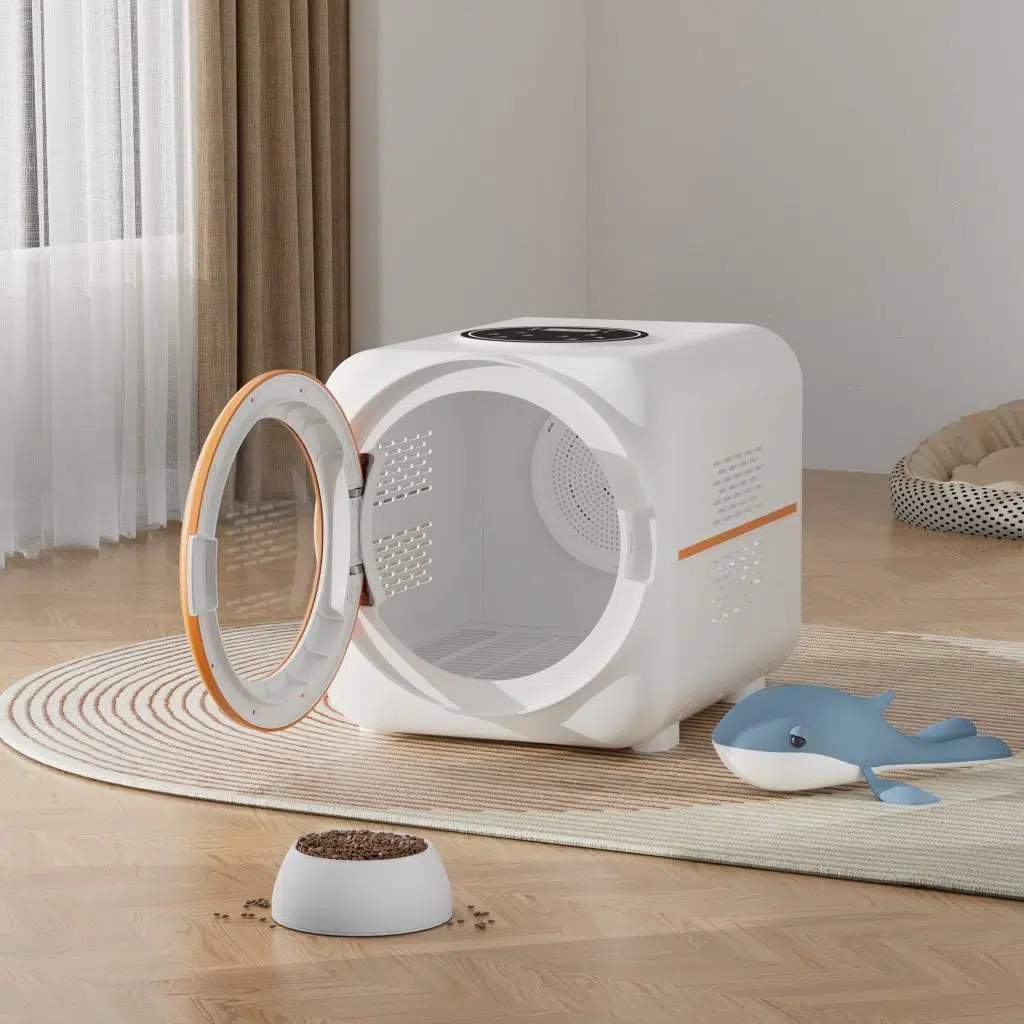
A cat dryer box helps keep a cat dry and comfy after a bath. Safety depends on how people use the box. It also depends on what features the box has. Each cat has different needs. Many veterinarians say these devices are good if owners follow the rules.
Some accidents with home dryers show why a safe pet dryer box matters. Owners should always watch their pets. They should pick a box with temperature control and low noise. This keeps drying safe and gentle for cats.
Key Takeaways
- Choose a cat dryer box with adjustable temperature settings to prevent overheating. Start with the lowest setting to keep your cat comfortable.
- Ensure good airflow in the dryer box. This helps your cat breathe easily and prevents bad smells.
- Select a quiet dryer box. Noise levels should be below 52 dBA to keep your cat calm during drying.
- Always monitor your cat while using the dryer box. Look for signs of stress or discomfort and stop if needed.
- Consider alternatives like towel drying or air drying if your cat is anxious. These methods can be gentler for sensitive pets.
Cat Dryer Box Safety Features

A safe cat dryer box is made to protect pets. Each part of the box helps keep cats safe and happy.
Temperature Settings
You can change the temperature in a cat dryer box. This is important for keeping cats safe. Pet dryers let you pick the right heat and speed for your cat. This stops burns or getting too hot. The best temperature is between 30°C and 39°C. This dries fur without hurting the cat. Many dryers let you change the speed too. Owners can start with a gentle setting. Nervous cats can get used to the dryer before it gets stronger. Smart pet products, like AOKAI, use sensors and easy controls. These make it simple to pick the safest heat every time.
Tip: Always begin with the lowest setting. Watch how your cat acts before making it hotter.
Ventilation and Airflow
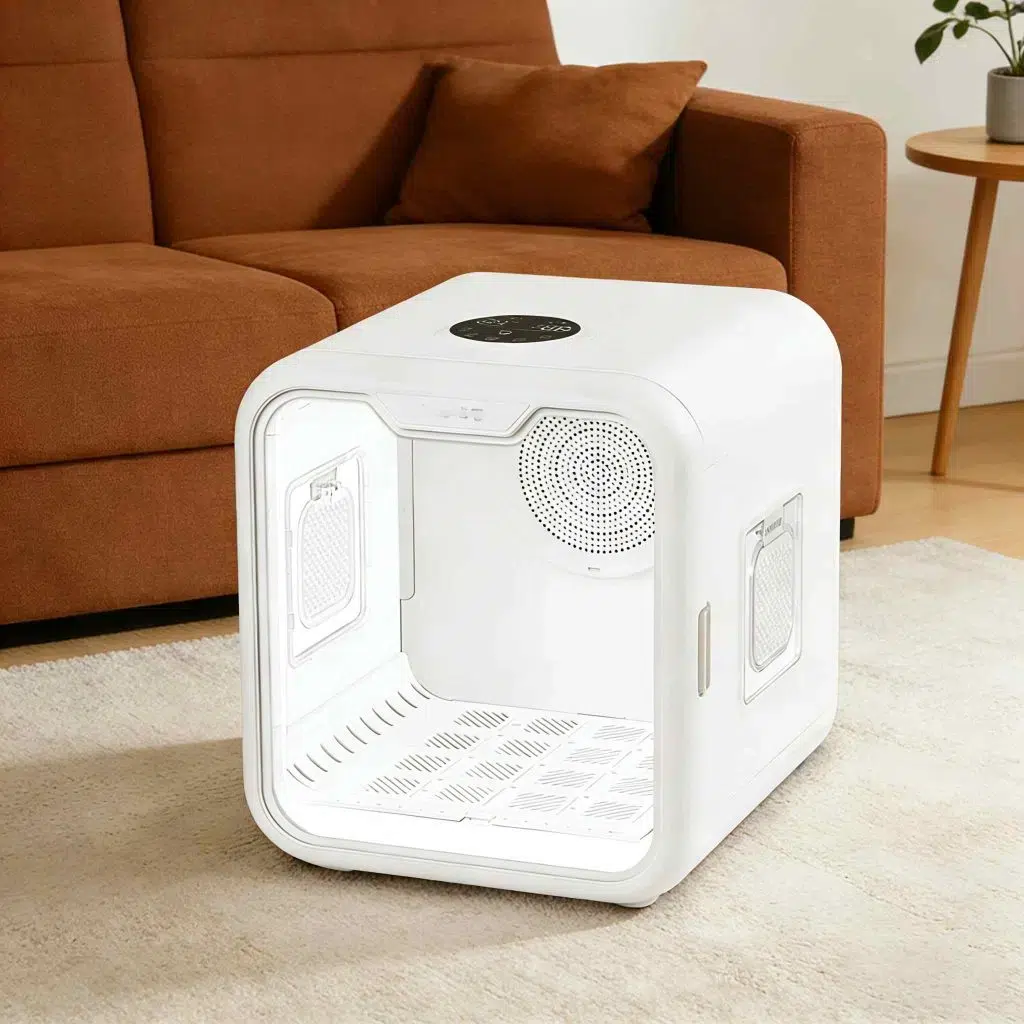
Good airflow is very important in a pet dryer box. Boxes with good vents keep air fresh and moving. This helps cats breathe well and not get sick. Good airflow also stops bad smells and wet air inside the box. You can change the airflow to control how fast and where the air goes. Soft airflow dries fur without making cats upset. Some smart boxes have clear windows. Owners can see their cats and cats feel less scared.
- Fresh air keeps the box healthy.
- You can move vents for the best drying.
- Good vents stop wet fur from making a mess.
Noise Levels
Loud sounds can scare cats. A quiet cat dryer box is best. Experts say noise should be under 52 dBA at one meter. The table below shows safe noise levels for cats:
| Measurement Type | Acceptable Threshold for Cats |
|---|---|
| dBA @ 1m | ≤ 52 dBA |
| dBC @ 1m | ≤ 58 dBC |
| Peak Frequency Band | Avoid units peaking > 2.5 kHz |
| Vibration Transfer | ≤ 0.8 mm/s² |
A study in 2022 found that about one out of three cats got nervous with loud dryers. They did not want to go in or left quickly. Quiet dryer boxes help cats feel calm and make drying easier.
Emergency Shut-Off
Emergency shut-off systems make dryer boxes safer. These stop the dryer if it gets too hot or if the cat is upset. Smart boxes, like AOKAI, use sensors to check the box. If something is wrong, the dryer turns off by itself. This keeps cats safe from getting too hot or other problems. Owners should always check the emergency shut-off before using the box.
Note: Clean and take care of the dryer box often. This helps it work safely and well.
A cat dryer box with changeable heat, good airflow, quiet sound, and emergency shut-off gives cats a safe and comfy drying time.
Proper Cat Dryer Box Use
Safe Temperature Ranges
Setting the right temperature is the first step to safe drying. Sensitive or elderly cats require extra care. Experts recommend that the dryer temperature should not exceed 31 degrees Celsius for these cats. This helps prevent heatstroke and keeps the cat comfortable. For most cats, the suitable drying temperature is between 30 and 39 degrees Celsius. Always start with the lowest temperature and gradually increase it only when the cat appears relaxed and comfortable.
Tip: Use a thermometer to check the temperature inside the box before placing your cat inside.
Step-by-Step Usage
Veterinary associations suggest a careful approach when using a cat dryer box. Follow these steps for safe and gentle drying:
- Make sure your cat feels calm and relaxed before starting.
- Gently towel-dry your cat to remove as much water as possible.
- Choose a dryer with adjustable heat and speed. Set it to the lowest heat.
- Let your cat see and sniff the dryer box while it is off.
- Turn on the dryer at a low setting and keep the airflow away from sensitive areas.
- Watch your cat closely and take breaks if needed.
This gradual process helps cats get used to the dryer box and reduces stress.
Monitoring Your Cat
During the drying process, owners must closely observe their cats for signs of excessive stress or overheating. Cats may exhibit symptoms such as panting, seeking shade, or unusual behavior. Difficulty breathing, vomiting, or diarrhea can all be signs of a problem. Other warning signs include a rectal temperature exceeding 40 degrees Celsius (104 degrees Fahrenheit), confusion, red gums, difficulty breathing, seizures, or fainting. If any of these symptoms occur, immediately stop drying and remove the cat from the drying box.
Note: Always stay nearby and check on your cat often during drying. Quick action can prevent health risks.
Cat Comfort and Health
Behavioral Signs to Watch
Cats can exhibit stress or discomfort in several ways during the drying process. They may tuck their ears, hide their tails, or try to escape the drying box. Some cats may meow loudly or scratch at the box door. Rapid breathing, drooling, or wide-eyed stares can also be signs of fear. Owners should pay attention to these signs and stop drying if they occur. Calm cats will typically sit quietly, blink slowly, or groom themselves. Understanding these behaviors helps in gently caring for your cat’s sensitive skin during the drying process.
Health Risks and Prevention
Improper use of a cat dryer box can lead to health risks. Owners can prevent problems by following these steps:
- Choose reputable brands known for safety.
- Pick open-top designs to avoid trapping the cat during cleaning.
- Make sure the model has reliable safety sensors.
- Read the safety manual and contact customer service if needed.
Some red flags include fixed plastic doors that rotate upwards, sharp or poorly made door rims, and inconsistent safety sensors. Owners should always limit drying time to prevent overheating. Regular checks help keep cats safe and healthy.
Suitability for Different Cats
Not all cats feel comfortable in a dryer box. Kittens, elderly cats, or those with breathing problems may need other drying methods. Cats with heart issues or high anxiety should avoid enclosed spaces. For a positive experience, owners can try these tips:
- Play classical music or use a white noise machine to calm the cat.
- Keep the cat in a favorite room away from loud noises.
- Offer treats or play before drying to create a positive mood.
- Give fresh food or foraging toys to distract the cat during drying.
These steps help cats feel safe and relaxed. Owners should always watch their cat and choose methods that work best for their pet.
Cat dryer boxes can help most cats dry off safely if used right. Owners need to look for important safety features. These include adjustable temperature, good airflow, and quiet sounds. Some main things to watch are:
- Check the temperature so it does not get too hot
- Make sure air moves well inside the box
- Look at your cat to see if it seems stressed
Picking a smart and trusted product keeps pets safe. If owners are not sure, they should talk to a veterinarian. Watching your cat often helps keep it healthy and happy. 🐾
FAQ
Can kittens use a cat dryer box?
Kittens can use a cat dryer box if the owner sets the temperature low and watches them closely. Owners should choose a quiet model. They should stop drying if the kitten seems scared or stressed.
How long should a cat stay in a dryer box?
Most cats need 10 to 20 minutes in a dryer box. Owners should check the cat every few minutes. They should stop drying if the cat shows signs of stress or overheating.
What features make a cat dryer box safe?
A safe cat dryer box has adjustable temperature, good airflow, quiet operation, and an emergency shut-off. Smart products, like those from AOKAI, use sensors for extra safety.
Is a cat dryer box better than towel drying?
| Method | Drying Speed | Cat Comfort | Owner Effort |
|---|---|---|---|
| Dryer Box | Fast | High | Low |
| Towel Drying | Slow | Medium | High |
A dryer box dries fur faster and keeps cats comfortable. Towel drying takes longer and needs more effort.


