

Pet dryer boxes can be a safe way to dry pets at home, but there are risks. If you use them wrong, pets can get hurt or feel stressed. Many dryer boxes use soft airflow and steady heat. This helps stop burns and keeps pets calm. If a pro uses the dryer and watches the pet, it is safer for most pets.
Key Takeaways
- You should always watch your pet when using a dryer box. Check on your pet every 15 minutes to keep them safe and comfortable.
- Change the heat and airflow settings for your pet’s fur type and size. This stops your pet from getting too hot or having skin problems.
- Pick a dryer box that is quiet. Less noise helps your pet stay calm while drying.
Pet dryer boxes: how they work and key features

What is a pet dryer box?
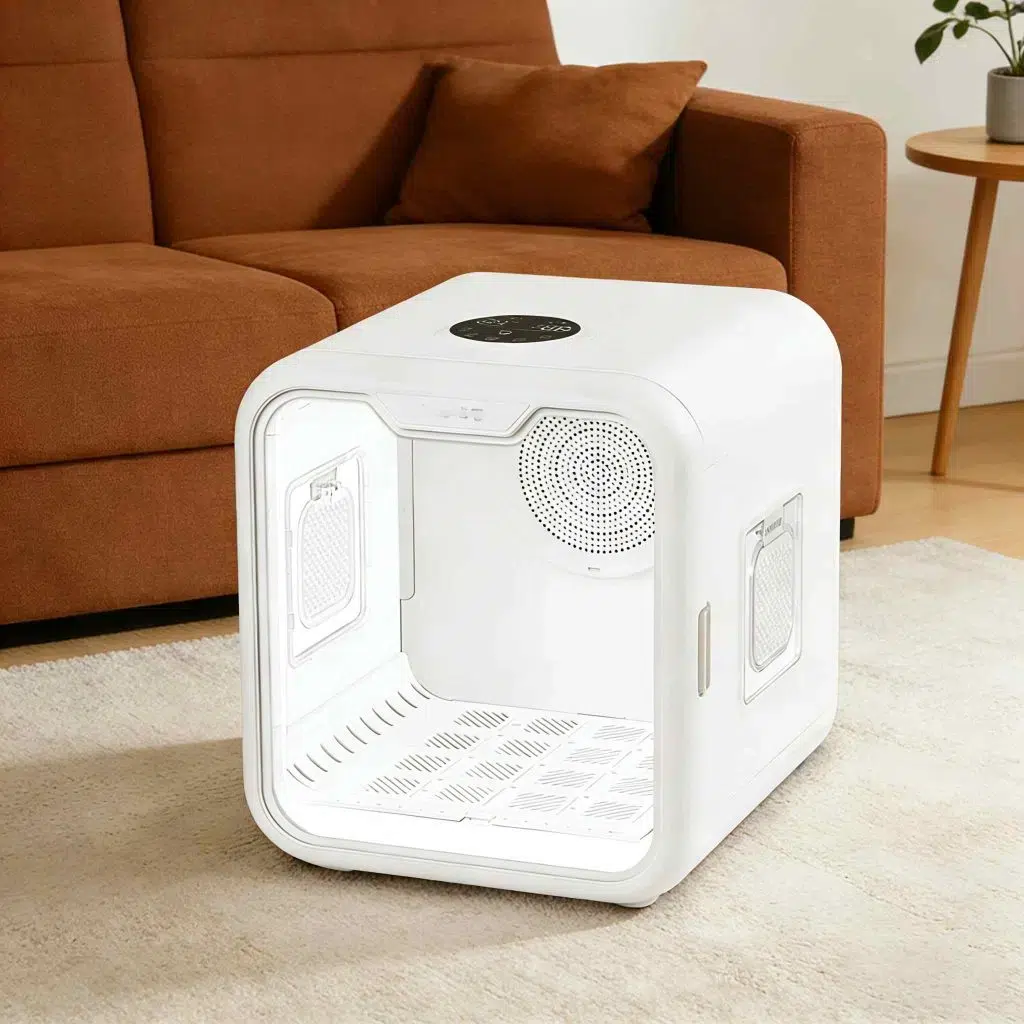
A pet dryer box is a closed space made to dry pets safely and quickly. Mainstream manufacturers including AOKAI, Pet Marvel, Beardpet and Wahl produce such devices for household use, professional grooming salons and veterinary clinics. Most standard models have an 80L inner space, offering pets enough room to move freely and relieve anxiety. Transparent doors and viewing windows allow interaction between pets and owners to keep them relaxed. Most brands focus on universal functional design for mainstream usage.
How does a dryer work for pets?
Pet dryer boxes are equipped with built-in fans to circulate warm or ambient air, delivering even drying and reducing the risk of skin hot spots and irritation. Some models adopt advanced airflow structures such as the TwinFlow™ dual brushless motor system, which ensures efficient drying while lowering operational noise. Users can adjust wind speed and temperature to adapt to different coats, from short-haired cats to long-haired dogs. Per third-party noise testing, standard pet dryer boxes run at 30–70 dB, friendly to noise-sensitive pets.
Key safety features in drying boxes
Safety is very important for pet dryer box makers. Some main features are:
- Airflow and heat you can control to stop overheating and pain.
- Overheat sensors and smart safety systems that check and control the heat inside.
- Programmable microchips and digital screens to make changes easy.
- Fan-only settings for pets who do not like heat.
- Big spaces and good air flow to keep pets comfy and less worried.
Tip: Prioritize dryer boxes equipped with real-time monitoring and full safety configurations. These designs effectively avoid incomplete drying, skin irritation and overheating, and deliver stable results for pets with all coat types.
| Feature | Description |
|---|---|
| Overheat Sensor | Stops the box from getting too hot and keeps pets safe. |
| Programmable Microchip | Lets you set the box for different pets and fur types. |
| Whisper-Quiet Design | Makes less noise, so pets feel less scared. |
| Digital Display | Shows the time and heat for better control. |
Pet dryer boxes are different from other dryers because they have a safe space, smart airflow, and many safety tools. These things make them a good choice for pet owners and groomers.
Safety risks and suitable pet types for dryer boxes
Common risks of using a dog dryer box
While practical for post-bath drying, pet dryer boxes carry potential safety hazards. Overheating is the top risk: excessive internal temperature may cause pet stress or even life-threatening heatstroke. Insufficient ventilation leads to uneven temperature distribution, resulting in partially damp or over-dried fur — this issue is especially prominent on long-haired and double-coated breeds, and may further cause matting and itchy skin. Small and medium-sized pets with short coats dry more efficiently, but continuous supervision is still required for all animals.
| Safety Risk | Explanation |
|---|---|
| Overheating | Too much heat can make pets stressed or cause heatstroke. |
| Poor Ventilation | Not enough air can make the box heat unevenly and dry fur badly. |
| Uneven Drying | Some fur stays wet and some gets too dry, especially for long-haired pets. |
Brachycephalic (flat-faced) dog breeds are prone to breathing difficulties in enclosed spaces. Loud operating noise or the sense of being trapped can trigger severe anxiety. Typical stress signals include continuous barking, disorientation, inappropriate urination and panic behavior. Once these signs appear, stop the device immediately and comfort your pet.
Using a dog dryer box for a long time without care can make skin problems worse. If the dryer does not clean the air, pets can breathe in germs or allergens. Warm air can make dry skin or itching worse. Good airflow and checking the pet often can stop these problems.
Suitable pet types and coat types
Not all pets or fur types are good for a dog dryer box. Small and medium pets with short or medium fur do best. They dry fast and are less likely to get too hot. Long or double coats need more time and careful airflow to stop wet spots or tangles. Some breeds, like Golden Retrievers, need a forced air dryer first, then the box. Hard-to-reach areas such as ear canals and inner thigh skin folds often require supplementary drying with a handheld blower.
| Breed/Coat Type | Drying Methodology | Approximate Time (Minutes) |
|---|---|---|
| General (varied coats) | Forced air dryer on high wind/heat for 3-5 minutes, then compartment dryer 1-50 min | 4-55 |
| Golden Retriever | Forced air dryer for 3 minutes, compartment dryer for 20-25 minutes, handheld dryer for 2-3 minutes | 25-31 |
| Concealed parts (e.g., ear, inner thigh) | Extra drying with handheld or forced air dryer if needed | 2-3 |
Short and medium fur dries faster and more evenly. Long fur needs more time and careful settings. Double coats need special care with airflow and heat to dry well. Small and medium pets with sensitive or bad skin may need a fan-only setting or lower heat.
Tips for safe use of a drying box
Pet owners can follow these tips to keep pets safe and comfy:
- Always watch your dog while drying. Groomers should check pets in the box every 15 minutes.
- Set the heat and airflow for your pet’s fur and size. Custom settings help stop overheating and skin problems.
- Use dryers with auto shut-off and heat control. These features stop accidents and keep pets safe.
- Choose low-noise models. According to a 2026 user survey of pet grooming equipment, more than 60% of pet owners prioritize quiet operation, as loud noise easily disturbs anxious pets.
- Keep the box clean and make sure air can move well. Good airflow helps dry fur and stops skin problems.
- Watch for signs like barking, confusion, or panic. Stop drying if your pet acts upset.
- Unplug the dryer when not using it and keep the area safe for pets.
- Store cleaning stuff and dryer parts in a locked cabinet so pets stay safe.
Note: Per industry safety guidelines, do not use devices with damaged components or blocked ventilation. Never leave pets unattended during the entire drying process.
Most owners say pet dryer boxes work well when they watch their pets and use the right settings. If pets are calm and curious, the drying is going well. Still, owners should always be careful and check pets often, no matter the dog or fur type.
Pet dryer boxes are safe for daily use as long as owners follow standard operating rules: keep pets under constant supervision, adjust temperature and airflow reasonably, and avoid overlong drying sessions. When you have doubts about operation or model selection, consult professional pet groomers or veterinarians.
| Key Point | Description |
|---|---|
| Temperature Control | Keep the internal temperature within 30–38°C, the safe range recommended by pet grooming and veterinary guidelines. |
| Noise Level | Pick dryers that are quiet to help pets stay calm. |
| Ventilation | Make sure air moves well and clean the filters often. |
FAQ
How does a drying cabinet help reduce dog fur moisture safely?
It circulates constant-temperature airflow to gradually evaporate moisture from pet fur. The mild airflow and controllable heat avoid skin irritation and overheating, realizing safe and gentle drying.
Can a drying cabinet handle long coats and different dog breeds?
It adapts to most dog breeds and coat types. For long-haired pets, adjust airflow and temperature accordingly to achieve full drying and protect skin health.
What dryer settings keep a dog safe during drying?
Use low heat and gentle airflow for general use. Always match the device size and operational settings to your pet’s body size and coat characteristics.


