

Yes, a dog pushchair can be a good idea — for the right dog, in the right situation. Many pet parents hesitate at first because the device looks unfamiliar or feels indulgent, but a well-built pet pram stroller is a mobility tool, not a fashion accessory. It exists to keep a senior, injured, or tired dog safe and included when walking would cause pain or exhaustion. The honest answer is that the decision depends on the individual dog — age, health, size, and temperament — not on appearances or other people’s opinions.
This article takes a balanced look at the benefits, drawbacks, and specific situations where a dog stroller makes sense. Practical steps and a veterinary-sourced sizing rule help match the tool to the need. No single answer works for every dog, and the goal here is to help owners make an informed choice for the animal in front of them.
Key Takeaways
- Use a dog stroller for genuine needs: post-surgery recovery, arthritis, joint pain, or a long outing on hot pavement.
- Do not let a stroller replace daily walks for a healthy dog — lost exercise leads to weight gain and muscle loss.
- Pick the size with the same rule as a crate: the dog must be able to sit, lie down, and turn around inside.
- Real alternatives exist — slings, carriers, backpacks, and wagons cover shorter trips and smaller dogs more cheaply.
- Talk to a vet before using one for a senior, injured, or brachycephalic dog.
- Ignore public judgment: a stroller is a care tool, and comfort comes first
What Dog Pushchairs Are For

Beyond the Fashion Statement
A dog stroller exists to move a dog that cannot walk far on its own and to keep a dog safe in crowded or unpredictable places. The American Kennel Club notes that strollers have become more common in dense cities, where pushing a small or elderly dog is often easier than carrying one for a long block. The device protects paws from hot pavement, sharp gravel, and fast traffic, and gives a nervous animal a quiet enclosed space. Function, not fashion, drives good design.
Who Really Uses Them
Real users include owners of puppies whose joints are still growing, owners of senior dogs with arthritis or weak hind legs, and owners whose dogs are recovering from surgery. The AKC lists joint stiffness, slower movement, and trouble rising as common senior-dog signs — exactly the situations where a stroller takes over from walking. Some dogs walk part of the way and ride the rest; others ride the whole time. No guilt belongs in this choice.
Benefits for Dogs
Mobility for Senior and Injured Dogs
Aging dogs often develop arthritis, hip dysplasia, or weak hind legs. Hip dysplasia — a hereditary condition where the hip joint does not fit together smoothly — is most common in large and giant breeds but can show up in any size, and the AKC recommends weight control, limited impact exercise, and in severe cases surgery such as a total hip replacement. A dog stroller supports the between-visit period: the dog rides when legs tire and walks when it feels strong, and the family outing does not have to end at the front door.
Recovering dogs need strict rest after orthopedic surgery. A stroller lets them leave the house — and a little boredom — behind without bearing weight on healing bone or stitches. Smaller and older dogs save energy the same way; a short-legged dog that cannot keep up on a long walk stays part of the activity. Puppies that tire at a busy farmers market get a safe place to nap.
Safety and Comfort on Outings
A stroller offers a secure space for shy or nervous animals in loud, crowded, or unfamiliar places. The enclosed basket limits visual overstimulation and lets the dog observe new sights from a safe distance. Comfort matters even when a dog can walk: hot pavement is a real and well-documented risk. Dogs dissipate heat mainly by panting, and body temperatures above 105.8°F can lead to life-threatening heatstroke, especially in senior, overweight, or brachycephalic breeds. A stroller lifts the dog above the hot surface; a shade cover reduces direct sun; a mesh basket keeps airflow through the enclosure.
For owners who only need hands-free transport over short blocks — a trip to the corner park, a vet visit, a quick coffee stop — a well-ventilated pet backpack carrier is the lighter sibling of a full stroller: lighter on the owner, easier to fold into a small car, and a good way to confirm the dog actually tolerates being carried before committing to a four-wheeled pram.
Owners gain comfort too. A mobility-impaired pet can join a vacation or a day trip without being left at home. The shared experience keeps the dog included in family life during recovery or treatment.
Drawbacks to Weigh
Less Exercise and Overuse Risk
Healthy dogs need regular walks for muscle tone and weight control. A stroller removes that activity when an owner uses it too often. Over time, the dog loses stamina and gains weight, and the extra load on aging joints makes arthritis worse. The fix is to treat the stroller as a supplement to walks, not a replacement for them.
Cost, Storage, and Stigma
A quality dog stroller for a large breed costs more than a basic one for a small dog, and the folded unit needs closet, garage, or trunk space. Small apartments may not have that space. Social stigma is harder: strangers may stare or joke, and some owners avoid using the stroller in public. Comfort and safety matter more than a stranger’s opinion, but it is fair to acknowledge that the social cost is real.
When Dog Pushchairs Make Sense

Recovery, Aging, and Medical Needs
A stroller makes sense when a real medical or physical need is present. Recovery after surgery is a clear example. Vets usually limit jumping, stairs, and off-leash movement for several weeks after orthopedic procedures, and a stroller helps maintain a normal outing rhythm during that window. Senior joint pain is another good reason. Arthritis does not have a cure, but the right combination of weight control, gentle exercise, and pain relief keeps a dog mobile longer, and a stroller extends what the dog can do on a given day.
Normal aging needs watching, not a birthday. The AKC treats giant breeds as senior by six or seven years and toy breeds only by ten to twelve. Slowing down is the most often missed sign of pain that can still be treated. A check-up is the right next step before the owner commits to a stroller.
| Situation | Veterinary-Sourced Guideline for Stroller Use |
| Post-surgery recovery | Ask the surgeon first. Most plans need 6–8 weeks of strict rest, with only short outdoor trips for bathroom breaks. |
| Arthritis management | A stroller does not treat arthritis; it handles the result. Treatment is the vet’s plan. |
| General aging | No set age starts stroller use. Movement decides it, not birthdays. |
| Risk of overuse | Using a stroller instead of walking risks muscle loss and weight gain, which make arthritis worse. |
| Post-ride monitoring | Watch for more pain, fatigue, or heavy panting after outings and tell the vet. |
| Heat exposure | Senior and brachycephalic dogs overheat faster; a closed carrier traps heat and is warmer than open air. |
| Fit | The dog should sit, lie down, and turn around inside — same as crate sizing. |
| Restraint | Use an inside tether clipped to a harness, not a collar. |
Long Days Out and Extreme Weather
Long outings and crowded events are a good case. A stroller lets a senior dog join a family trip without walking the whole time. The dog walks when comfortable and rides when tired. Hot pavement is a separate, serious risk: in direct sun, road surfaces can reach much higher temperatures than the air around them, and a dog walking on hot asphalt can burn its paw pads well before its body overheats. A stroller lifts the dog above the ground and into shade, which is sometimes the difference between an outing and a vet visit.
Cold weather and thin-coated breeds are the mirror case: a covered basket with a weatherproof canopy keeps a small dog warm and dry. Owners evaluating a stroller for any of these conditions should look at weight limit, interior dimensions, wheel size, and brake quality. Wholesale buyers sourcing at scale can have pet pram strollers built to their own spec through OEM/ODM and private-label programs, with compliance testing run at the factory rather than trusted to a third-party label.
Pet Stroller Alternatives
Slings, Carriers, and Wagons
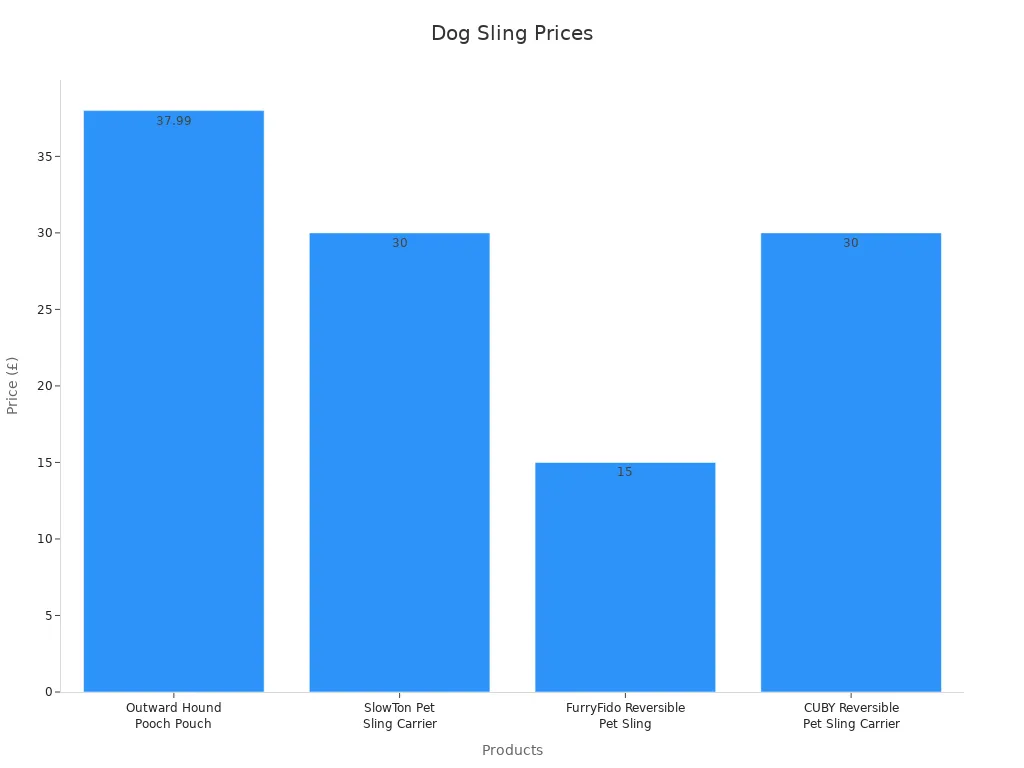
A sling, carrier, or backpack costs less and is easier to carry than a full stroller. Slings are very light, simple to fold, and quick to put on for short trips. They hold the dog close to your body and cost less than structured carriers, but many designs have no firm base, the body position depends a lot on fit, and weight sits on one shoulder. A sling works for very small puppies and tiny dogs on brief trips.
Backpacks spread weight across both shoulders and a hip belt and suit dogs from roughly 6 to 13 kg on trips of mixed length. For dogs over 13 kg or longer hikes, a backpack stays the practical choice — a well-ventilated pet backpack also doubles as a car seat on shorter drives. Wagons handle bigger dogs and gear on flat ground. Each option fits a different need; the right tool depends on the dog’s size, the trip length, and how often the owner actually carries the dog.
For owners whose dog stays home alone during longer errands, a smart automatic pet feeder closes a gap the stroller does not. A timed feeder set to the owner’s usual meal schedule keeps the dog’s routine stable on the days the owner is out late, which is often the same day the dog would otherwise have been left behind instead of joining the stroller outing.
Shorter Routes and Rest Stops
Shorter routes with rest stops ease steady joint load and help mobility without building a big recovery debt. One long walk puts unbroken load on aging joints; two or three shorter walks with recovery between them let joint fluid move again and muscles partly recover. A practical plan is a slow morning mobility walk, a midday sniff break, and a gentle evening loop, with rest triggered by early signs of fatigue.
| Aspect | Recommendation |
| Walk duration per session | 10–20 minutes |
| Frequency | 2–3 times a day |
| Rest interval trigger | Take a break when the dog shows fatigue signs |
| Fatigue signs | Lagging behind, heavy panting, sitting or lying down mid-walk, limping |
| Action when fatigue appears | Never force the dog to continue; end the walk or allow a real break |
The best answer depends on the individual dog. Some do well with a sling; others need the support of a stroller. A wagon may suit a large senior on flat paths. No single option fits every animal, and a stroller remains one tool among many.
A dog pushchair is a good idea when it meets a genuine need and a poor idea when it replaces normal exercise. Pet parents should match the decision to their individual dog, not to other people’s opinions. Practical steps help: test a borrowed stroller first, check the weight limit and interior dimensions, and consult a vet for any senior or injured dog. Caring for a dog’s comfort and safety is never something to feel guilty about.
FAQ
Are dog pushchairs a good idea for senior dogs?
Yes, when the dog has real mobility limits — arthritis, hip dysplasia, weak hind legs, or post-surgery recovery. A stroller lets the dog join family outings without straining healing joints or worn cartilage. Talk to a vet before using one long-term.
Can a dog stroller replace daily walks?
No. Healthy dogs need regular walks for muscle tone and weight control. Overuse causes stamina loss and weight gain, which make joint problems worse. A stroller should supplement walks for dogs with a genuine need, not replace them for healthy animals.
What size stroller does my dog need?
The dog must be able to sit, lie down, and turn around inside — the same rule used for a crate. Check the weight limit and interior dimensions before buying, and use an inside tether clipped to a harness rather than a collar. A borrowed or rented stroller is a smart first test for an owner unsure about fit.
Is a dog stroller safe in hot weather?
A covered stroller lifts the dog above hot pavement and out of direct sun, which lowers the risk of burned paw pads and overheating. Use a mesh basket for airflow, watch for heavy panting, and never leave a parked stroller in the sun with the dog inside. Senior, overweight, and short-snouted breeds overheat faster than other dogs and need extra caution.
What alternatives exist to a dog stroller?
Slings, carriers, and backpacks are lighter and cheaper for short trips with small dogs. Wagons handle larger dogs on flat ground. For longer hikes, a well-ventilated backpack carrier usually fits best. The right tool depends on the dog’s size, the trip length, and how often the owner actually carries the dog.
How should I handle public judgment about using a stroller?
Ignore it. Strangers do not know the dog’s medical history. The owner knows the animal best, and comfort and safety matter more than another person’s opinion. No guilt belongs in this choice.


